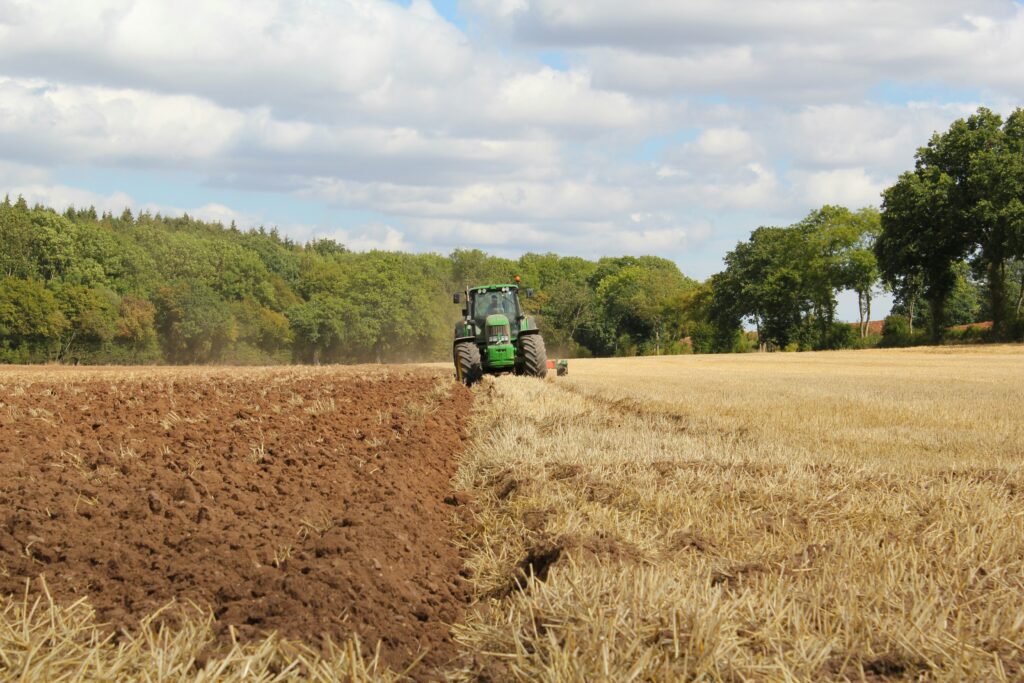
Agricultural soil pollution has become one of the most significant environmental challenges affecting modern farming. Healthy soil is the foundation of food production, biodiversity, and ecosystem stability. However, increasing industrialization, excessive fertilizer use, pesticide contamination, and improper agricultural waste management have contributed to widespread soil contamination in agriculture.
As agricultural land pollution continues to rise, soil quality deterioration threatens crop productivity, food security, and environmental health. Therefore, understanding the causes of agricultural soil pollution and adopting sustainable soil management practices are essential for protecting farmland and ensuring long-term agricultural success.
What Is Agricultural Soil Pollution?
Agricultural soil pollution refers to the accumulation of harmful substances in soil that negatively affect its physical, chemical, and biological properties. These contaminants may originate from farming activities, industrial pollutants in soil, urban waste, and natural processes.
When soil becomes contaminated, its fertility declines, beneficial microorganisms are affected, and crop growth is reduced. Consequently, contaminated agricultural land may become unsuitable for productive farming.
Common pollutants include:
- Pesticide contamination
- Fertilizer runoff
- Heavy metal contamination
- Agrochemical pollution
- Industrial pollutants in soil
- Agricultural waste residues
- Plastic waste from farming operations
What Are the Major Causes of Agricultural Soil Pollution?
Several factors contribute to soil environmental pollution. Although modern agriculture has improved food production, some practices have accelerated farmland soil degradation.
Excessive Fertilizer Use
Chemical fertilizers provide essential nutrients for crops. However, excessive fertilizer use often results in nutrient imbalance in soil and groundwater contamination. Over time, soil acidification and soil salinization may occur, reducing agricultural soil health.
Pesticide Contamination
Pesticides help control pests and diseases. Nevertheless, long-term pesticide contamination can destroy beneficial soil organisms and reduce microbial diversity. As a result, soil toxicity increases and natural soil functions decline.
Industrial Pollutants in Soil
Industrial activities release hazardous chemicals and heavy metals into the environment. These contaminants may eventually enter agricultural land through irrigation water, atmospheric deposition, or waste disposal.
Agricultural Waste Management Issues
Poor agricultural waste management contributes significantly to soil pollution. Crop residues, livestock waste, plastic mulch, and chemical containers can contaminate farmland when not properly handled.
Chemical Farming Impacts
Chemical farming impacts extend beyond crop production. Continuous reliance on synthetic inputs can gradually weaken soil structure, reduce organic matter, and accelerate soil fertility loss.
How Does Soil Contamination in Agriculture Affect Soil Health?
Soil contamination in agriculture directly influences agricultural soil health. Healthy soil contains balanced nutrients, beneficial microorganisms, organic matter, and adequate moisture retention capacity.
When pollution occurs, several negative effects emerge:
- Reduced microbial activity
- Declining nutrient availability
- Poor soil structure
- Increased soil toxicity
- Lower water retention
- Reduced biological diversity
Consequently, soil quality deterioration becomes a major concern for farmers and environmental experts alike.
How Do Pesticides Affect Agricultural Soil Health?
Many farmers rely on pesticides to protect crops. However, understanding how pesticides affect soil health is crucial for sustainable agriculture.
Pesticides can:
- Kill beneficial bacteria and fungi
- Disrupt nutrient cycling processes
- Increase chemical residues in soil
- Reduce earthworm populations
- Lower overall soil fertility
Although pesticides provide short-term benefits, long-term use may significantly contribute to agricultural soil pollution.
Therefore, integrated pest management and organic alternatives are increasingly recommended.
What Is the Impact of Chemical Fertilizers on Soil Quality?
The impact of chemical fertilizers on soil quality depends largely on application rates and management practices.
When fertilizers are used responsibly, they can support crop growth. However, excessive fertilizer use may cause:
- Soil acidification
- Nutrient imbalance in soil
- Groundwater contamination
- Fertilizer runoff into water bodies
- Soil fertility loss
Furthermore, long-term dependence on synthetic fertilizers often reduces soil organic matter, making soil less productive over time.
Why Is Heavy Metal Contamination Dangerous?
Heavy metal contamination is among the most serious forms of soil environmental pollution.
Common heavy metals include:
- Lead
- Cadmium
- Mercury
- Arsenic
- Chromium
These contaminants can accumulate in agricultural soil and eventually enter crops. Consequently, contaminated food may pose health risks to humans and animals.
Moreover, heavy metals persist in soil for decades, making remediation challenging and expensive.
How Does Soil Pollution Affect Crop Production?
The effects of soil pollution on crop production are both immediate and long-term.
Polluted soil often results in:
- Reduced seed germination
- Poor root development
- Lower crop yields
- Nutrient deficiencies
- Increased disease susceptibility
As soil quality deteriorates, farmers may experience declining productivity and increased production costs.
Therefore, preventing agricultural soil contamination is essential for maintaining profitable and sustainable farming systems.
How Are Soil Pollution and Food Security Connected?
Soil pollution and food security are closely linked. Healthy soil supports the production of nutritious food, while polluted soil threatens agricultural sustainability.
When agricultural land pollution increases:
- Crop yields decline
- Food quality decreases
- Production costs rise
- Land becomes less productive
Consequently, food availability and affordability may be affected, particularly in regions heavily dependent on agriculture.
Protecting soil resources is therefore critical for ensuring future food security.
What Role Do Soil Erosion and Pollution Play Together?
Soil erosion and pollution often occur simultaneously.
Erosion removes fertile topsoil, while pollution degrades the remaining soil quality. Together, these processes accelerate farmland soil degradation and reduce agricultural productivity.
Factors contributing to soil erosion include:
- Deforestation
- Overgrazing
- Poor farming practices
- Extreme weather events
As a result, valuable nutrients are lost and contaminated sediments may spread pollutants to surrounding ecosystems.
How Do Soil Acidification and Soil Salinization Affect Agriculture?
Soil acidification and soil salinization are major forms of soil degradation.
Soil Acidification
Soil acidification occurs when soil pH decreases significantly. This condition reduces nutrient availability and can limit plant growth.
Soil Salinization
Soil salinization develops when excessive salts accumulate in the soil. It commonly occurs in irrigated agricultural regions.
Both conditions contribute to:
- Soil fertility loss
- Reduced crop yields
- Poor water absorption
- Increased production challenges
Therefore, careful nutrient and water management are essential.
What Are the Best Practices for Soil Conservation in Agriculture?
Implementing soil conservation practices is one of the most effective ways to combat agricultural soil pollution.
Recommended strategies include:
Conservation Tillage
Reduced tillage helps maintain soil structure and minimizes erosion.
Cover Cropping
Cover crops protect soil from erosion while improving organic matter content.
Crop Rotation
Crop rotation enhances nutrient cycling and reduces pest pressure.
Organic Matter Addition
Compost and manure improve soil fertility and support beneficial microorganisms.
Efficient Irrigation
Proper irrigation reduces soil salinization and minimizes fertilizer runoff.
These best practices for soil conservation in agriculture contribute significantly to long-term soil sustainability.
Can Organic Farming Reduce Agricultural Soil Pollution?
Organic farming to reduce soil pollution has gained considerable attention worldwide.
Organic farming practices emphasize:
- Natural fertilizers
- Biological pest control
- Compost application
- Crop diversification
- Reduced chemical inputs
As a result, agrochemical pollution is significantly reduced, while agricultural soil health improves.
Furthermore, organic systems often enhance biodiversity and strengthen ecosystem resilience.
What Are Sustainable Solutions for Agricultural Soil Pollution?
Sustainable solutions for soil pollution require a combination of scientific innovation, responsible farming, and environmental stewardship.
Effective approaches include:
- Sustainable soil management
- Precision agriculture
- Integrated pest management
- Organic farming practices
- Improved agricultural waste management
- Regular soil testing
- Controlled fertilizer application
Additionally, government policies, farmer education, and environmental monitoring play important roles in preventing agricultural soil contamination.
How Can Farmers Protect Soil Health for Future Generations?
Protecting agricultural soil health requires long-term commitment and informed decision-making.
Farmers can support healthy soil by:
- Reducing excessive fertilizer use
- Minimizing pesticide contamination
- Preventing fertilizer runoff
- Adopting soil conservation practices
- Monitoring soil quality regularly
- Improving agricultural waste management
By implementing these strategies, soil fertility can be preserved and environmental impacts can be minimized.
Conclusion
Agricultural soil pollution is a growing environmental concern that threatens soil health, crop productivity, and food security. Factors such as pesticide contamination, excessive fertilizer use, heavy metal contamination, and improper agricultural waste management contribute significantly to soil degradation.
However, sustainable soil management, organic farming, and effective soil conservation practices offer practical solutions. By addressing the causes of agricultural soil pollution and adopting environmentally responsible farming methods, farmers can protect agricultural land, improve soil quality, and ensure productive farming systems for generations to come.
Healthy soil is not merely a resource—it is the foundation of sustainable agriculture and global food security.