What Is Dry Waste and Wet Waste Management?
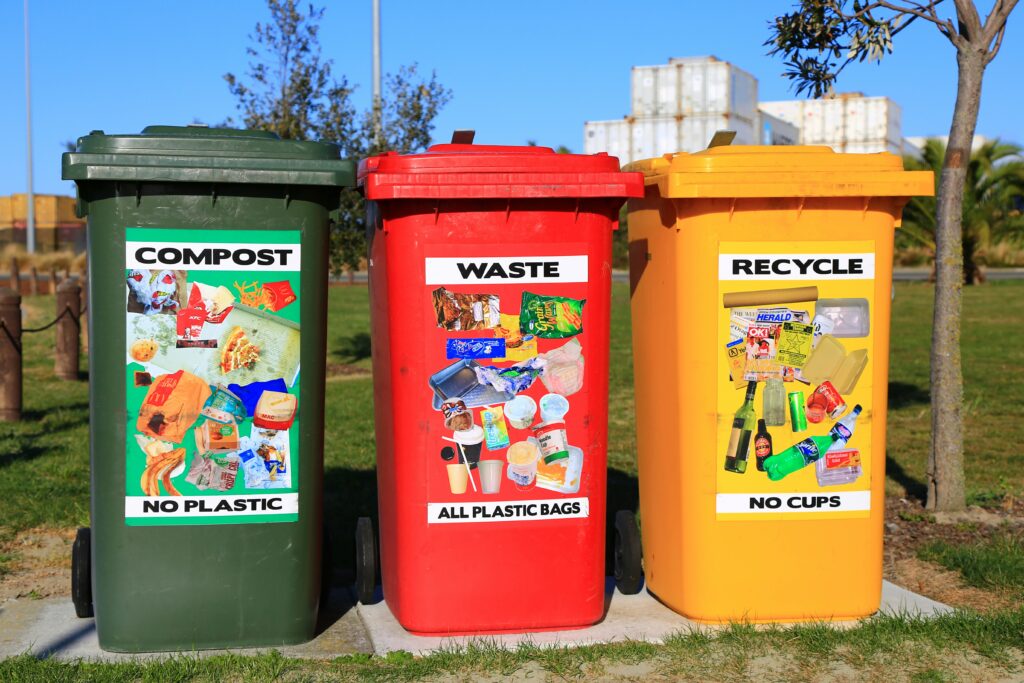
Dry waste and wet waste management is an essential part of modern waste segregation and environmental protection. Every household, office, restaurant, and industry produces different forms of waste daily. However, when waste is mixed together, recycling becomes difficult, pollution increases, and landfill areas expand rapidly. Therefore, proper garbage segregation is necessary for sustainable waste management and cleaner surroundings.
Dry waste mainly includes non-biodegradable waste such as plastic, paper, glass, cardboard, metal, and electronic waste. These materials can often be recycled or reused. Wet waste, on the other hand, consists of biodegradable waste like food scraps, vegetable peels, garden waste, and organic kitchen waste. Because wet waste decomposes naturally, it can be converted into compost or organic fertilizer.
Proper dry waste and wet waste management improves recycling efficiency while also reducing environmental pollution. Moreover, it supports eco-friendly waste disposal and helps communities maintain healthier living conditions.
Why Is Waste Segregation Important for Environmental Sustainability?
Waste segregation is important because it separates recyclable materials from organic waste at the source. When dry garbage and wet garbage are mixed together, recyclable materials become contaminated. As a result, recycling facilities cannot process waste effectively.
Proper waste segregation offers several environmental benefits:
- Reduces landfill waste
- Improves the recycling process
- Prevents soil contamination
- Reduces air pollution
- Conserves natural resources
- Supports sustainable waste management
Furthermore, waste sorting methods make municipal waste management systems more efficient. Households that practice garbage segregation contribute directly to cleaner neighborhoods and healthier ecosystems. In addition, proper segregation reduces the amount of harmful waste dumped into rivers, oceans, and open landfills.
Therefore, waste segregation should become a daily habit in every home and workplace.
What Are the Different Types of Dry Waste?
Dry waste includes materials that do not decompose naturally or require a very long time to break down. However, many dry waste materials can be reused or recycled successfully.
Plastic Waste
Plastic waste recycling is one of the biggest environmental priorities today. Plastic bottles, containers, wrappers, and packaging waste often pollute oceans and landfills when disposed of improperly.
Paper Waste
Paper waste recycling includes newspapers, office paper, magazines, and cardboard recycling. Recycling paper helps save trees while also reducing manufacturing energy.
Metal Waste
Metal waste recycling involves aluminum cans, steel containers, and industrial scrap waste management. Recycled metal can be reused repeatedly without losing quality.
E-Waste
Electronic devices such as old computers, chargers, batteries, and mobile phones require safe e-waste disposal because they contain toxic materials.
Glass Waste
Glass bottles and containers are recyclable materials that can be reused multiple times.
Dry waste collection systems help separate recyclable materials effectively. Consequently, industries can recover valuable resources while reducing pollution.
What Is Wet Waste and How Can It Be Managed Properly?
Wet waste mainly consists of organic waste that decomposes naturally over time. Kitchen waste management plays an important role in wet waste disposal because food waste forms a large percentage of household garbage.
Common wet waste materials include:
- Fruit peels
- Vegetable scraps
- Leftover food
- Tea leaves
- Coffee grounds
- Garden waste
- Organic kitchen waste
Wet waste disposal becomes easier when organic waste is converted into compost. Composting methods allow biodegradable kitchen waste to break down naturally into nutrient-rich organic fertilizer.
Moreover, home composting reduces landfill waste while improving soil quality. Many households now use compost bin solutions to manage wet waste efficiently. Therefore, organic composting supports green waste management and environmental sustainability simultaneously.
How Does the Recycling Process Protect Natural Resources?
The recycling process converts waste materials into reusable products. Recycling reduces the demand for raw materials while conserving water, energy, and natural resources.
Several environmental benefits are achieved through recycling:
- Reduces pollution
- Conserves forests and minerals
- Saves manufacturing energy
- Reduces landfill waste
- Supports eco-friendly waste disposal
Plastic waste recycling, paper waste recycling, and cardboard recycling help industries produce new products sustainably. Additionally, recycling bins placed in schools, offices, and residential areas encourage responsible waste disposal habits.
When recyclable materials are separated properly, recycling facilities operate more efficiently. Consequently, smart waste management systems become easier to implement in urban and rural communities.
Which Composting Methods Are Best for Household Waste Management?
Composting methods vary depending on available space, waste quantity, and household preferences. However, several simple methods work effectively for household waste management.
Traditional Composting
Traditional composting involves collecting organic waste in compost bins where natural decomposition occurs gradually.
Vermicomposting
Vermicomposting uses earthworms to break down food waste quickly. This method produces nutrient-rich compost that improves soil fertility.
Compost Bin Solutions
Modern compost bin solutions are compact and easy to maintain. Therefore, apartment residents can also practice home composting effectively.
Garden Composting
Garden waste disposal becomes easier when dry leaves, grass clippings, and plant waste are composted together.
Organic composting supports sustainable waste management because it reduces landfill pressure while producing eco-friendly fertilizer. Furthermore, composting decreases methane gas emissions caused by organic waste decomposition in landfills.
How Can Households Reduce Daily Waste Generation?
Household waste management becomes more effective when families adopt practical waste reduction techniques. Small lifestyle changes can create significant environmental benefits over time.
Use Reusable Products
Reusable bottles, bags, and food containers help reduce packaging waste and plastic pollution.
Avoid Single-Use Plastics
Limiting disposable plastic products reduces non-biodegradable waste accumulation.
Separate Dry and Wet Waste
Proper garbage segregation improves recycling efficiency and reduces contamination.
Recycle Recyclable Materials
Using recycling bins for paper, plastic, glass, and metal improves sustainable waste management.
Compost Organic Waste
Food waste recycling through composting reduces wet waste disposal problems effectively.
Donate Unused Items
Old books, clothes, and furniture can often be reused instead of discarded.
These simple habits encourage eco-friendly waste disposal while also protecting ecosystems from pollution.
What Challenges Affect Municipal Waste Management Systems?
Municipal waste management systems face several challenges due to rapid urbanization and increasing waste production. Improper waste sorting methods remain one of the major problems in many cities.
Common challenges include:
- Poor public awareness
- Limited recycling infrastructure
- Rising plastic waste generation
- Illegal dumping practices
- Lack of waste segregation
- High landfill dependency
However, many governments are introducing smart waste management systems to improve waste collection and recycling efficiency. Automated monitoring systems and digital waste tracking technologies are becoming increasingly common.
Furthermore, awareness campaigns educate citizens about sustainable waste management and responsible recycling practices.
How Does Smart Waste Management Improve Urban Sustainability?
Smart waste management combines technology with efficient waste disposal systems. Sensors, digital tracking tools, and automated waste collection systems help cities manage garbage more effectively.
Benefits of smart waste management include:
- Faster waste collection
- Reduced operational costs
- Improved recycling rates
- Better waste segregation
- Reduced environmental pollution
Many modern cities now use smart recycling bins and waste monitoring technologies to improve municipal waste management. Moreover, data-driven systems help authorities identify waste collection needs more accurately.
As a result, urban communities can maintain cleaner surroundings while supporting sustainable development goals.
Why Is Food Waste Reduction Necessary Today?
Food waste reduction is extremely important because millions of tons of edible food are discarded globally every year. Food waste increases landfill pressure and contributes significantly to greenhouse gas emissions.
Several food waste reduction strategies can help households minimize waste:
- Plan meals carefully
- Store food properly
- Use leftovers creatively
- Compost food scraps
- Donate excess food
Kitchen waste management practices also help families save money while protecting the environment. Additionally, food waste recycling through composting improves soil health naturally.
Therefore, reducing food waste supports sustainable waste management while conserving water, energy, and agricultural resources.
How Can Industries Improve Industrial Dry Waste Management?
Industries generate large amounts of industrial dry waste, including packaging waste, plastic materials, cardboard, and metal scrap. Effective scrap waste management helps industries reduce pollution while improving resource efficiency.
Industries can improve dry waste management by:
- Implementing recycling programs
- Reducing unnecessary packaging waste
- Using recyclable materials
- Encouraging paper waste recycling
- Managing e-waste responsibly
Moreover, businesses that adopt green waste solutions often improve their environmental reputation. Customers increasingly support companies that practice eco-friendly waste disposal and sustainable manufacturing.
Industrial recycling also supports circular economy models where waste materials are reused instead of discarded.
What Is the Future of Sustainable Waste Management?
Sustainable waste management will continue evolving as environmental awareness increases worldwide. Governments, businesses, and households are investing in advanced recycling technologies and eco-friendly disposal systems.
Future waste management trends include:
- AI-based waste sorting methods
- Smart recycling bins
- Sustainable packaging innovations
- Advanced plastic recycling technologies
- Expanded composting programs
Educational programs are also encouraging communities to practice proper garbage segregation from an early age. As environmental concerns continue rising, sustainable waste management will become even more important for protecting ecosystems and public health.
Dry waste and wet waste management plays a major role in building cleaner, healthier, and more sustainable communities. When households separate waste properly, recycle responsibly, and reduce unnecessary waste generation, environmental protection becomes achievable. Therefore, adopting eco-friendly waste disposal habits today will create a greener future for coming generations.