The Yamuna River is one of India’s most important rivers because it supports millions of people across several states. However, rising yamuna water pollution has turned this lifeline into a major environmental concern. Industrial discharge, untreated sewage, plastic waste, and toxic chemicals continue to damage the river every day. As a result, aquatic life suffers, drinking water quality declines, and public health risks increase rapidly.
Today, environmental experts, local authorities, and citizens are searching for sustainable ways to reduce yamuna water pollution before the damage becomes irreversible. Although several cleanup projects have started, pollution levels still remain alarming in many regions, especially near Delhi NCR.
Understanding the causes, effects, and possible solutions can help communities take meaningful action. This guide explains the growing pollution crisis while highlighting practical methods that can restore the Yamuna River for future generations.
What Is Yamuna Water Pollution?
Yamuna water pollution refers to the contamination of river water through harmful substances such as sewage, chemicals, industrial waste, plastics, and agricultural runoff. These pollutants reduce water quality and disturb the natural ecosystem of the river.
The Yamuna River stretches across northern India and supplies water to millions of households. Unfortunately, rapid urbanization and industrial growth have increased pollution levels significantly. Many drains carrying untreated wastewater directly enter the river, especially in urban areas.
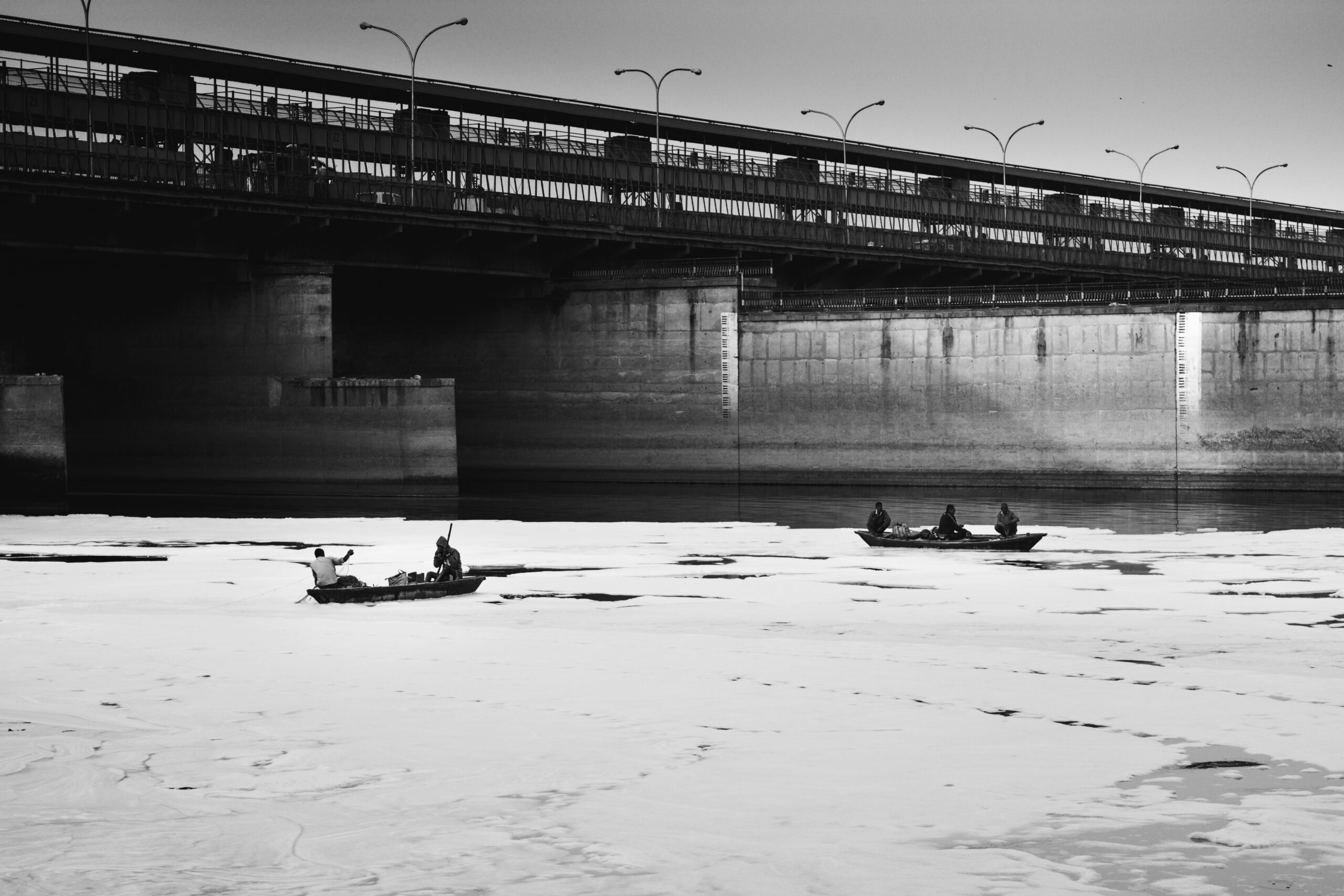
Moreover, excessive foam formation, foul odor, and dark-colored water clearly indicate severe contamination. Environmental reports frequently classify several stretches of the river as unsafe for bathing or drinking purposes.
Because the river plays a major role in agriculture, religion, and biodiversity, controlling yamuna water pollution has become a national priority.
Why Is Yamuna Water Pollution Increasing Rapidly?
Several human activities contribute directly to rising pollution levels in the Yamuna River. While population growth increases water demand, poor waste management worsens the crisis further.
Untreated Sewage Disposal
A major portion of yamuna water pollution comes from untreated domestic sewage. Many cities discharge wastewater into the river without proper treatment. As a result, harmful bacteria and toxic substances spread quickly through the water.
Industrial Waste Release
Factories near the river often release chemicals, dyes, heavy metals, and toxic industrial waste into nearby drains. These pollutants severely damage aquatic ecosystems and reduce oxygen levels in the water.
Plastic and Solid Waste Dumping
Plastic bags, bottles, food packaging, and household garbage frequently enter the river. Consequently, floating waste blocks water flow and harms aquatic animals.
Agricultural Runoff
Farmers use fertilizers and pesticides to improve crop production. During rainfall, these chemicals wash into the river and increase water toxicity.
Religious and Human Activities
Religious offerings, idol immersion, and mass gatherings also contribute to pollution. Although these practices hold cultural importance, improper waste disposal creates environmental stress.
How Does Yamuna Water Pollution Affect Human Health?
Polluted river water creates serious health problems for nearby communities. Since many people depend on the Yamuna for daily activities, exposure to contaminated water increases disease risks.
Waterborne Diseases
Dirty water often carries harmful bacteria and viruses that cause diseases such as cholera, diarrhea, typhoid, and hepatitis. Children and elderly people face higher risks because of weak immunity.
Skin and Respiratory Problems
Direct contact with polluted water may cause skin irritation, allergies, and infections. In addition, toxic gases from polluted stretches can trigger respiratory issues.
Contaminated Food Chain
Fish and crops exposed to polluted water may absorb harmful chemicals. Consequently, toxic substances can enter the human food chain and create long-term health complications.
Reduced Access to Clean Water
As pollution increases, communities struggle to access safe drinking water. Water purification becomes expensive, which places financial pressure on households and local governments.
Why Is the Yamuna River Important for India?
The Yamuna River supports economic, environmental, and cultural systems across northern India. Therefore, protecting the river is essential for sustainable development.
Source of Drinking Water
Millions of people rely on the Yamuna River for domestic water supply. Major cities, including Delhi, depend heavily on this river for daily water needs.
Agricultural Importance
Farmers use Yamuna water for irrigation because it supports crop production in several regions. Healthy river water improves agricultural productivity and food security.
Biodiversity Support
The river ecosystem supports fish, birds, plants, and aquatic organisms. However, severe yamuna water pollution threatens biodiversity and destroys natural habitats.
Religious and Cultural Significance
The Yamuna River holds spiritual value in Indian culture and Hindu traditions. Many festivals and rituals take place along its banks every year.
What Are the Major Environmental Effects of Yamuna Water Pollution?
Environmental damage caused by pollution continues to increase rapidly across the river ecosystem.
Decline in Aquatic Life
Low oxygen levels make survival difficult for fish and aquatic organisms. Toxic chemicals further reduce biodiversity within the river.
Excessive Foam Formation
Foam accumulation frequently appears on polluted stretches of the Yamuna. Industrial chemicals and detergents mainly cause this environmental issue.
Water Quality Degradation
Pollutants increase biological oxygen demand and reduce overall water purity. Consequently, the river becomes unsafe for human and animal use.
Soil Contamination
Polluted river water used for irrigation can damage soil fertility. Over time, contaminated soil affects agricultural productivity.
Climate and Ecological Imbalance
A polluted river ecosystem disrupts natural ecological balance and weakens environmental sustainability.
What Steps Has the Government Taken to Reduce Yamuna Water Pollution?
Authorities have launched several programs to improve river health and reduce pollution levels.
Sewage Treatment Plant Development
The government continues to build and upgrade sewage treatment plants in urban areas. These facilities help reduce untreated wastewater discharge into the river.
River Cleaning Projects
Large-scale river cleaning campaigns aim to remove solid waste and improve water quality.
Industrial Monitoring
Environmental authorities monitor industrial discharge and impose penalties for illegal waste dumping.
Public Awareness Campaigns
Awareness programs encourage citizens to reduce plastic waste and protect water resources responsibly.
Riverfront Development
Several regions have introduced eco-friendly riverfront development plans to improve environmental conditions around the Yamuna.
Although these measures show progress, experts believe stronger implementation and public participation remain necessary.
How Can Citizens Help Reduce Yamuna Water Pollution?
Public participation plays a crucial role in restoring the river ecosystem. Small lifestyle changes can create long-term environmental benefits.
Reduce Plastic Usage
Using reusable bags, bottles, and containers helps prevent plastic waste from entering water bodies.
Dispose Waste Responsibly
Citizens should avoid dumping garbage, chemicals, and religious waste into rivers or drains.
Support River Cleanup Drives
Participating in local cleanup activities increases environmental awareness and community responsibility.
Save Water Daily
Water conservation reduces pressure on freshwater resources and supports sustainable living.
Spread Environmental Awareness
Educating others about yamuna water pollution encourages responsible environmental behavior.
Can Sustainable Technology Improve Yamuna River Water Quality?
Modern environmental technology can support river restoration efforts effectively.
Advanced Water Treatment Systems
Modern filtration and wastewater treatment technologies remove harmful pollutants more efficiently.
Smart Pollution Monitoring
Digital monitoring systems help authorities track pollution levels in real time.
Eco-Friendly Industrial Practices
Industries adopting cleaner production methods can significantly reduce chemical discharge.
Bioremediation Solutions
Scientists now use microorganisms and natural processes to break down pollutants in contaminated water.
Renewable Energy Integration
Solar-powered treatment systems can reduce operational costs while supporting sustainable development goals.
Technology alone cannot solve the crisis completely, but it can strengthen long-term pollution control strategies.
What Is the Future of the Yamuna River?
The future of the Yamuna River depends on collective environmental action. If pollution continues at current levels, water scarcity and ecological damage may worsen significantly. However, stronger environmental policies, improved infrastructure, and active public participation can still restore river health.
Several environmental groups and sustainability experts believe river rejuvenation is possible through continuous monitoring, cleaner industrial practices, and responsible waste management. Educational institutions and corporations are also supporting environmental awareness campaigns focused on river conservation.
Moreover, younger generations are becoming increasingly conscious about sustainability and water protection. This growing awareness creates hope for a cleaner and healthier Yamuna River in the future.
Conclusion: Why Should Everyone Care About Yamuna Water Pollution?
Yamuna water pollution is no longer just an environmental issue because it directly affects public health, biodiversity, agriculture, and economic stability. The river supports millions of lives, yet increasing pollution threatens its survival every year.
Although government initiatives and environmental programs continue to improve conditions gradually, real progress requires collective responsibility. Citizens, industries, policymakers, and communities must work together to reduce pollution and restore the river ecosystem.
Protecting the Yamuna River today will secure cleaner water, healthier communities, and a more sustainable future for generations ahead.
To know more about Yamuna Water pollution and its impact on health and the environment, visit our detailed guide.