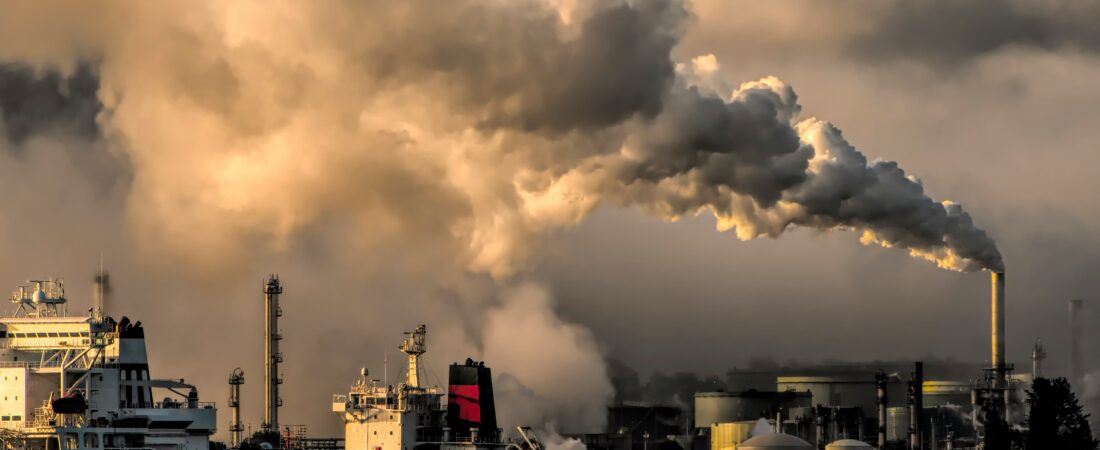
Atmospheric pollution research has become one of the most important environmental fields worldwide. Scientists, climate experts, and health organizations continuously study how air pollution affects human health, biodiversity, and climate systems. Rapid industrial growth, urban expansion, and fossil fuel consumption have significantly increased harmful airborne pollutants. Consequently, researchers now focus on identifying pollution sources, measuring emissions, and developing sustainable solutions.
Air pollution does not only affect the atmosphere. It also damages ecosystems, reduces agricultural productivity, and increases severe respiratory diseases. According to recent atmospheric science research, pollutants such as PM2.5, sulfur dioxide pollution, nitrogen oxide emissions, and volatile organic compounds contribute heavily to environmental degradation. Therefore, understanding atmospheric contamination studies is essential for protecting future generations.
This blog explores atmospheric pollution research, pollution monitoring studies, climate pollution research, and innovative environmental strategies currently shaping a cleaner future.
What Is Atmospheric Pollution Research?
Atmospheric pollution research refers to the scientific study of harmful substances released into the air. Researchers examine pollutant sources, atmospheric reactions, environmental impacts, and possible control methods. Moreover, scientists use advanced air quality analysis tools to measure pollution concentrations in urban and industrial areas.
This research includes:
- Air pollution research
- Atmospheric emissions research
- Aerosol pollution research
- Carbon emissions analysis
- Greenhouse gas emissions studies
- PM2.5 pollution studies
Researchers collect data through satellites, monitoring stations, laboratory testing, and computer-based atmospheric models. As a result, governments and organizations can create effective environmental policies.
Why Is Air Pollution Research Important Today?
Air pollution research has become increasingly important because pollution levels continue rising globally. Urban populations are growing rapidly, while industries release large amounts of toxic emissions into the atmosphere. Consequently, many cities experience dangerous air quality conditions throughout the year.
Research helps experts:
- Identify major pollution sources
- Understand climate-related impacts
- Protect public health
- Improve environmental sustainability
- Develop cleaner industrial technologies
Furthermore, atmospheric science research provides valuable information about long-term climate patterns. Scientists can predict environmental risks more accurately by studying airborne pollutants analysis and atmospheric contamination studies.
Without continuous research, controlling environmental pollution becomes extremely difficult.
What Causes Atmospheric Pollution in Modern Cities?
Several factors contribute to atmospheric pollution in urban and industrial regions. Transportation systems, manufacturing plants, and energy production facilities release large quantities of pollutants daily.
The major causes of atmospheric pollution include:
Industrial Emissions
Factories release sulfur dioxide pollution, nitrogen oxide emissions, and volatile organic compounds into the atmosphere. These pollutants significantly reduce air quality.
Vehicle Exhaust
Cars, trucks, and buses produce harmful greenhouse gas emissions and carbon monoxide. Heavy traffic congestion further increases urban atmospheric pollution studies.
Fossil Fuel Combustion
Coal, oil, and gas power plants generate massive carbon emissions analysis concerns worldwide. Consequently, climate pollution research strongly focuses on energy transition strategies.
Construction Activities
Dust particles and aerosol pollution research reveal how construction sites contribute to airborne contaminants.
Agricultural Practices
Burning crop residue releases particulate matter research pollutants that travel across large distances.
As atmospheric pollution research advances, experts better understand how these factors interact with weather systems and climate patterns.
How Does Air Pollution Affect Human Health?
Atmospheric pollution and public health are deeply connected. Airborne pollutants enter the respiratory system and bloodstream, causing severe health complications. Therefore, pollution monitoring studies now play a major role in healthcare planning.
The most common health impacts include:
- Asthma
- Lung infections
- Heart disease
- Stroke
- Chronic respiratory illness
- Reduced immunity
PM2.5 pollution studies show that microscopic particles penetrate deep into human lungs. Additionally, long-term exposure increases cancer risks and neurological disorders.
Children and elderly individuals face higher vulnerability because their immune systems are weaker. Consequently, air pollution research increasingly focuses on protecting high-risk populations.
Moreover, atmospheric contamination studies indicate that polluted air negatively affects mental health and cognitive performance.
How Does Atmospheric Pollution Influence Climate Change?
Climate pollution research confirms that atmospheric pollution accelerates global climate change. Greenhouse gas emissions trap heat inside Earth’s atmosphere, increasing global temperatures.
The primary climate-related pollutants include:
- Carbon dioxide
- Methane
- Nitrogen oxide emissions
- Black carbon aerosols
These pollutants contribute to:
- Rising sea levels
- Extreme weather events
- Heatwaves
- Glacier melting
- Ecosystem disruption
Furthermore, ozone layer pollution weakens Earth’s natural protection against ultraviolet radiation. Consequently, environmental pollution research highlights the urgent need for sustainable climate action.
Scientists conducting atmospheric emissions research continuously analyze how pollution affects rainfall patterns, ocean temperatures, and biodiversity loss.
What Are PM2.5 Pollution Studies Revealing?
Particulate matter research has become a major area within atmospheric science research. PM2.5 particles are extremely small pollutants suspended in the air. Since they measure less than 2.5 micrometers, they easily enter human lungs and bloodstream.
PM2.5 pollution studies reveal several alarming findings:
- Increased respiratory disease rates
- Reduced life expectancy
- Higher cardiovascular risks
- Severe urban air quality deterioration
Industrial combustion, diesel vehicles, and biomass burning produce significant PM2.5 emissions. Therefore, many countries now strengthen pollution monitoring studies to reduce public exposure.
Additionally, researchers use air quality analysis systems to track pollution hotspots in major metropolitan regions.
How Do Scientists Monitor Air Pollution Levels?
Pollution monitoring studies rely on advanced technologies and environmental data collection methods. Researchers continuously monitor atmospheric conditions to understand pollution trends and emission patterns.
Modern monitoring techniques include:
Satellite Imaging
Satellites provide large-scale atmospheric emissions research data across countries and continents.
Ground Monitoring Stations
Air quality analysis stations measure pollutants such as sulfur dioxide pollution and nitrogen oxide emissions.
Sensor Technologies
Portable sensors help researchers detect airborne pollutants analysis in real time.
Artificial Intelligence Models
AI-based systems predict pollution spikes and climate-related environmental risks more accurately.
Consequently, atmospheric pollution research now produces faster and more reliable environmental assessments.
What Solutions Can Reduce Atmospheric Pollution?
Governments, industries, and individuals must work together to reduce pollution levels effectively. Environmental pollution research highlights several practical strategies for cleaner air and sustainable development.
Transition to Renewable Energy
Solar, wind, and hydroelectric energy reduce greenhouse gas emissions significantly.
Improve Public Transportation
Electric buses and sustainable transport systems help lower urban air pollution.
Strengthen Environmental Policies
Strict industrial regulations reduce atmospheric emissions research concerns.
Promote Green Infrastructure
Urban forests and green buildings improve air quality naturally.
Increase Public Awareness
Environmental education encourages communities to adopt eco-friendly practices.
Moreover, atmospheric pollution and public health campaigns help people understand pollution risks and prevention strategies.
Why Are Atmospheric Contamination Studies Important for Future Generations?
Atmospheric contamination studies provide essential knowledge for protecting ecosystems, economies, and human health. Without strong environmental policies, pollution levels may continue increasing over the next decades.
Future atmospheric pollution research will likely focus on:
- Sustainable industrial innovation
- Smart pollution monitoring systems
- Climate adaptation strategies
- Advanced carbon capture technologies
- Global environmental cooperation
Furthermore, researchers believe cleaner technologies and renewable energy investments can significantly reduce climate pollution research challenges worldwide.
By supporting scientific studies and environmental sustainability, societies can build healthier urban environments and protect natural resources for future generations.
Can Individuals Help Reduce Air Pollution?
Individual actions may seem small, yet collective efforts create meaningful environmental change. People can contribute to cleaner air by adopting sustainable habits and supporting environmentally responsible policies.
Simple actions include:
- Using public transport
- Conserving electricity
- Reducing vehicle usage
- Planting trees
- Avoiding waste burning
- Supporting clean energy initiatives
Additionally, spreading awareness about atmospheric pollution research encourages communities to participate in environmental protection activities.
Every small effort contributes toward reducing airborne pollutants analysis risks and improving global air quality standards.
Conclusion
Atmospheric pollution research continues shaping our understanding of climate change, public health, and environmental sustainability. Rising pollution levels threaten ecosystems, human well-being, and economic stability worldwide. Therefore, scientific research, pollution monitoring studies, and climate-focused environmental policies remain essential.
From PM2.5 pollution studies to greenhouse gas emissions analysis, researchers constantly uncover new information about atmospheric risks and sustainable solutions. Governments, industries, and individuals must collaborate to reduce pollution and create healthier living environments.
As atmospheric science research evolves, innovative technologies and cleaner energy systems offer hope for a more sustainable future. Protecting air quality today will help preserve environmental balance and public health for generations to come.